
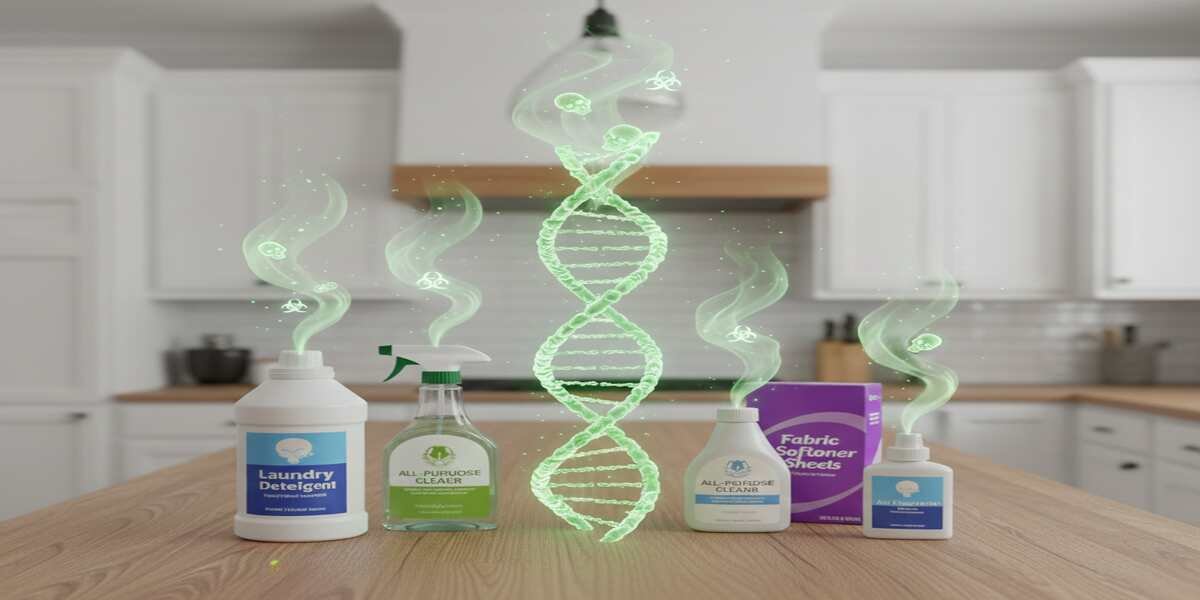
Hidden Toxins in Your Regular Homecare Products
Did you know that most of the common tidying items have secret chemicals that can impact your health and the quality of indoor air? They claim to shine, have fresh scents, but some of these ingredients contain hidden toxins that can be more harmful than good. We shall get to the truth about the five toxins that go undetected in your household cleaning supplies and the reason why you need to know about them. Let’s dive into those toxins.
1. Phthalates – The Scent Makers
Phthalates are also used in detergents, fragranced air, and cleaners. They are useful in maintaining the smell of products. However, studies have indicated that repeated exposure to phthalates can disrupt hormones, in particular, those of reproduction. A hidden threat because the companies do not have to specify the specific chemicals in the fragrances, these so-called fragrances can be their own concealed hidden toxins menace. Even a bond cleaning company may avoid harsh fragranced products for this reason. You can minimise your exposure by using fragrance-free or naturally scented ones.
2. The Ammonia -The Streak-Free Shiner
It is a common ingredient of glass and stainless-steel cleaners since it leaves a flawless finish. It is, however, irritating to the skin, eyes, and lungs. Ammonia-based products may cause breathing difficulties to individuals with asthma or allergies. Constant exposure can even be a cause of chronic respiratory problems. The second option of achieving clean and streak-free surfaces is the alternative of switching to the vinegar- or alcohol-based cleaners, which are less harmful in obtaining the intended results.
3. Clorox Bleach: A Powerful but Prudent Cleaner
It is one of the best cleaners products and is mostly common in laundry brighteners, toilet-bowl cleaners, and mildew removers. But it produces powerful fumes that may cause coughing, chest pains, as well as sore throats. Combining bleach with other cleaning agents, in particular, those based on ammonia, can cause the production of toxic mixture another source of hidden toxins inside your home
4. An Antibacterial Agent of Wide Use
This is often added to an antibacterial soap, dish-washing liquids and laundry detergents. Although it has a fast germ-killing action, its administration may disrupt hormones and lead to chemical disinfectants. Overuse of antibacterial cleaners can also disturb the natural microbial populations that can be found on our skin or inside our homes, indirectly increasing exposure to hidden toxins. In the case of cleaning with plain soap and water, or natural, plant-based disinfectants are generally effective and may be less disruptive to hygiene, even in routine cleaning, which is why many bond back cleaning professionals prefer such safer alternatives.
5. Sodium Hydroxide -The Drain and Oven Warrior
NaOH, commonly referred to as lye, is a strong chemical for cleaning the oven and for opening drains. It may cause severe skin or eye burns, and inhalation of the fumes can cause airway irritation of the lungs. Where feasible, use milder substitutes like baking-soda solutions or enzyme based drain cleaners, which are safer yet equally effective in most tasks, helping you avoid harsh hidden toxins.
Conclusion
The initial step towards having a healthier home is to be perfectly aware of what in the cleaning products you use. It is simple to clean the house, and on the other hand, the chemicals we use can be harmful to us. Phthalates are some of the oils that retain a fresh smell and may contain hidden toxins. They can mess with hormones. A usual cleaner of the glasses, such as ammonia, may burn the lungs and eyes.
A combination of bleach and ammonia forms a harmful gas. There are very many soaps that contain a chemical that is antibacterial and which irritates the good germs on our skin. Strong drains. Lye is a skin and eye burner, so always choose safer options when you disinfect your kitchen areas?