
pipes flowing smart ways to keep plumbing smooth
Have you ever turned on the tap and received a slow progression of water rather than the stream of water that you were expecting? Pipes sneakily carry on with their operations behind your walls and under your floors but when they are not attended to trouble is soon to manifest. Blocked or fractured pipes can lead to leakages, offensive smell and expensive repairs.
The advantage is that you do not need to be a professional to maintain the pipes running smooth, only good habits and frequent attention are needed. A couple of precautions suggested by expert teams will help you secure your plumbing system, prevent disasters, and the stress-free supply of water at all times.
1. Take Notice of What Goes Down the Drain
Poor waste disposal can be considered one of the largest contributors to blocked pipes. Kitchen sinks are usually affected by grease, coffee grounds, food scraps and soap residues. These substances solidify in the pipes and gradually become a blockage to water flow.
It is better to scrape plates into the bin prior to washing. Oil should not be poured down the sink and sink strainers should be used to trap debris. Keep the drains out of bathrooms of hair and soap. These easy routines forestall clogs in their initial stages.
2. Wash Drains With Hot Water Frequently
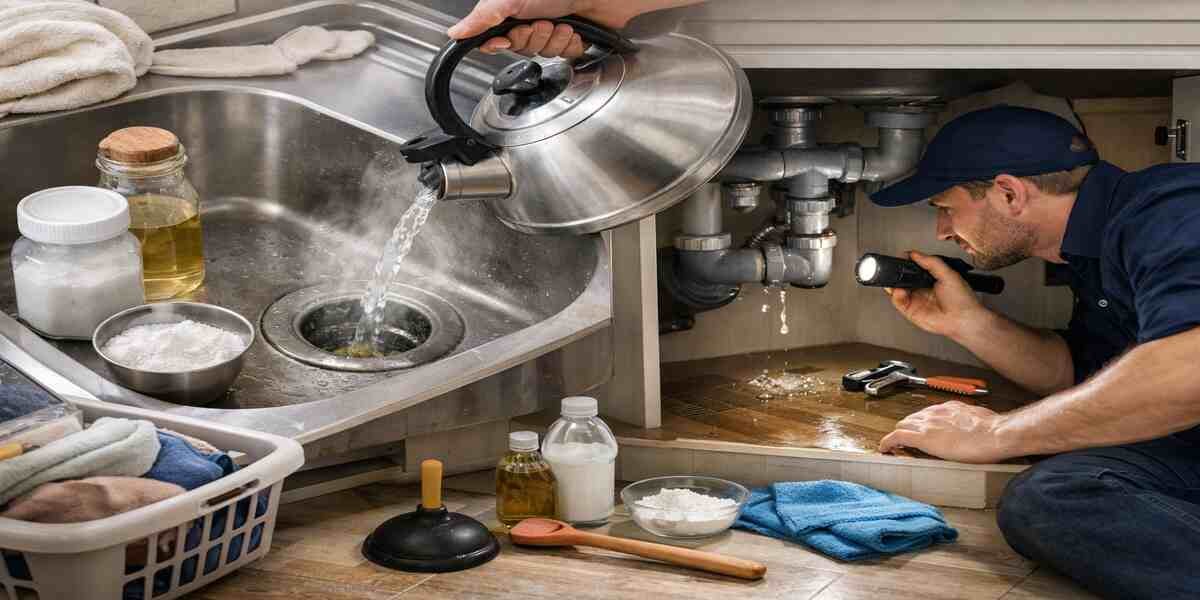
Hot water will also dissolve grease and soap which coats your pipes. Pour hot (but not boiling) water down kitchen and bathroom drains once per week.
This prevents the sticking of residue on the side of the pipes and minimises odours. It is a fast practice that will save you several minutes but would save you big plumbing issues in the future.
3. Maintenance Use Natural Cleaners
It is possible that the chemical drain cleaners can provide quick outcomes, but in the long-term, it might damage the pipes. Rather, prefer natural solutions.
Fizzing activity of a mixture of baking soda and vinegar help to loosen the minor clogs and to freshen drains. Add baking soda then follow with vinegar, wait ten minutes and rinse with warm water. This prevents corrosion of pipes.
4. Check for Leaks and Moisture
Minor leaks do not attract much attention yet bring on great problems. Humidity makes joints of pipes loose and favouring of mould.
Check sinks, toilets and appliances. When you realize that your place is wet or dripping or stinky, repair it within a short time. Early preventive actions safeguard your pipes and your house against the destruction of water.
5. Do Not Overuse Your Plumbing System
Dishwashers, toilets, and washing machines are set at a certain level of waste. When they are overloaded, pipes are strained.
Do not flush sanitary products, paper towels and wipes. Being in possession of huge amounts of water that is used intensively, e.g., laundry and long showers, will reduce stress on your plumbing system, so that the water can flow easily.
6. Book and Peter Plan Preventive Checks
Professional crew care is favorable to pipes even when they are well-kept. A plumber is capable of searching inaccessible places and draining the accumulation.
Maintenance: This is saving you money and stress by saving your plumbing system by ensuring that your plumbing issues are identified at an early stage which will prolong your plumbing system.
Conclusion
It is the everyday life of the flowing smooth pipes. You can prevent the blockages by observing what you are putting down your drains, use of natural cleaners, checking whether you have any leaks and always being consistent so that blockages are avoided before they take place. The Smart care nowadays stays healthy, reliable and free-flowing in your pipes tomorrow with regular cleaning at home.