
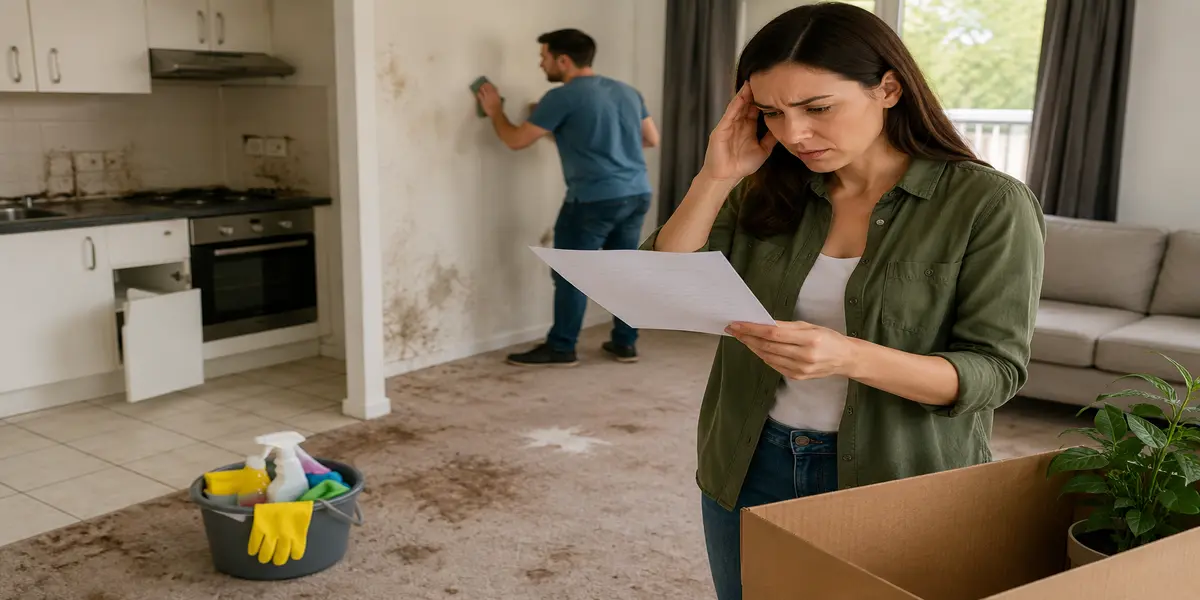
Tenants Lose Their Bond Money? Avoid These Common Mistakes
Are you concerned about your money being wasted after you move out of your rental property? Many renters are confident that they won’t have any problems until the day of the inspection arrives. Minor errors sometimes lead to expensive problems when a property is subjected to a final check. Deposits are withheld or not returned in full if they find the property is found to be dirty, damaged, or poorly maintained.
Knowing what problems are common enables tenants to avoid deductions and stressful disputes later on. Knowing what you need to do as a tenant to clean will not only protect your rental bond, but it will also help make the moving process a lot smoother. Here we discuss the top reasons tenants lose their bond and easy ways to prevent these issues successfully.
1. Dirty Kitchen Surfaces
Most days, cooking leaves behind a trail of grease on kitchen surfaces. Food spills stick around longer than anyone notices at first glance. Dust settles quietly while pots boil and pans sizzle nearby. Each meal adds another layer that someone forgets until it shows. A few residents clean on the surfaces, but they never go anywhere near under things. Ovens, stovetops, cabinets and range hoods often fail final walk-throughs. Landlords expect the kitchen to look bright and clean and blank, and not have any overpowering smells. A professional clean or comprehensive scrubbing can make kitchen surfaces as good as new in time for inspections. A dirty kitchen is still one of the biggest causes of tenants losing their bond after a property handover.
2. Stained Carpet Areas
Carpets are subject to heavy use and spillage during the term of the rental. Food Stains, Pet accidents, and dirt accumulated quickly leave the carpet looking neglected. Regular vacuuming with a home vacuum cleaner cannot completely clean or deodorise embedded stains and odours. Real estate agents normally hold a very thorough check on carpets at the end of the property check. Professional carpet cleaning can greatly restore the freshness and appearance of your carpet with expert stain treatment. Clean carpets are part of the honest cleaning responsibilities of your tenant and will cut down on the chance of bond deductions later.
3. Damaged Painted Walls
Walls are susceptible to scuffs, scratches and stains in the dailiness. Abuse caused by moving furniture and hanging decorations wears down on painted walls, eventually accumulating mishaps. Certain tenants act as if minor wall defects do not exist before leaving rental homes entirely. Repair costs for obvious wall damage are normally deducted by the landlord from the owner’s account following inspection. Scrubbing out stains and patching holes raises the standard of the property, and that is a measure of success in moving out. Proper maintenance of walls can assist in preventing the most frequent reasons tenants forfeit security deposits at the conclusion of the tenancy agreement.
4. Forgotten Bathroom Cleaning
The moisture causes soil and mould in bathrooms that is so stubborn to remove that it must be periodically left to bake-cleaned. Now and then, soap residue mixes with hard water stains near sinks and shower walls. Surprisingly clean corners near tile joints often go unnoticed when tenants rush through final cleaning tasks. Glass shower doors? They’re frequently missed, too, along with those small metal vents on walls. Landlords fixate here more than expected, scanning every inch of the bathroom. Spotless matters, but so does damage control. Extensive bathroom cleaning leads to better inspection results and a cleaner overall rental environment. Knowing what a tenant’s cleaning obligations are will help keep unnecessary security deposit withholdings at bay later.
5. Unapproved Property Changes
Some tenants even make surface modifications without asking for the landlord’s permission first. For example, painting walls, putting up shelves or changing light fixtures may unexpectedly end up as breaking the lease issues. All in all, even modifications that are visually pleasing and harmonious to the house and that have no direct impact on the functionality of the unit may cause a hassle at the final walkthrough of the house.
After tenants move out, landlords decide, if any, what restoration costs they will expect from the security deposit. Before making permanent changes to any aspect of the rental home, tenants should always consult the landlord on any proposed alterations. Preventing unauthorised changes, avoiding the usual reasons a tenant forfeits their bond at the end of the tenancy.
6. Pet Related Damages
Pets also tend to cause increased cleaning and maintenance issues inside rental properties on a day-to-day basis. Fur, smells, scratches , and stains can be left behind once tenants have moved out. A lot of landlords take a very close look at damage caused by pets before they would even consider offering bond refunds. Professional deodorising and stain removal treatments can effectively restore the cleanliness of rental property. Routine care for your pet also stops damage to carpet and furniture in your home. Good pet care goes hand-in-hand with tenant obligations to clean and helps ensure that rental deposits are not unnecessarily forfeited.
7. Outdoor Area Neglect
The Outdoors are to be kept in good condition both during the tenancy and at the end of it. Gardens, balconies and lawns, if neglected, can become extremely dirty. Plants may perish, grass becomes uncut, and the floor can get littered with rubbish, which definitely creates a negative impression at the time of inspection. Landlords appear to expect outdoor spaces to be left clean and tidy and in good repair when the tenant moves out. Cleaning outdoor areas enhances the general appearance of a property before final property inspections to a great extent. Careless outdoor areas are still one of the main reasons tenants lose their bond in rental inspections on a regular.
8. Ignoring Minor Repairs
What a tenant overlooks as a small repair can end up costing a landlord a lot of money. For example, if a tenant ignores a loose door handle or a dripping tap, eventually these things will break down completely. Renters generally overlook reporting such small problems, as initially the damage doesn’t seem severe. Landlords can charge more for repairs once hidden problems are found on inspection. Early reporting of maintenance concerns can help prevent rental properties from being subjected to significant long-term deterioration. Prompt repairs also minimise the potential reasons for tenant bond loss once they move out of rental properties.
9. Poor Odour Management
Strong indoor smells are often the cause of negative rental property inspection outcomes. Smoke, pet, food, and damp odours can linger in rooms to the surprise of the nostrils. Scents are temporarily covered up by scented sprays, but the root of the smell remains. Having carpets, drapes, and soft furnishings steam cleaned by professionals is another way of making your premises look visually and smell fresh, mainly before inspections. In fact, they may also serve the purpose of maintaining cleaner air inside the premises for the longer duration of the tenancy, which, in turn, could bring fewer complaints from tenants on unpleasant stale indoor air. Good odour control helps keep tenants clean, and you can clean your rental bond payment successfully.
10. Incomplete Move-Out Cleaning
A few tenants do clean in a hurry, as they get a little stressed and tired with moving timeframes. There are always high traffic areas that don’t get clean if the final cleaning is not given the attention it deserves. Window tracks, light fittings, and skirting boards often fail muster afterwards. Property managers routinely examine every room for a full bond return. Using step-by-step cleaning lists and proper end of lease cleaning helps make sure tenants complete their duties before leaving. Bad housekeeping is a major reason bonds get denied when people move out of rentals permanently.
11. Missing Inspection Evidence
A lot of renters neglect to take pictures of a rental home’s condition prior to moving in at first. Photos and reports of inspections are a crucial piece of evidence in a later rental saga. Tenants without proof may find it hard to successfully defend themselves from an unfair damage claim. After inspections, tenants are also protected by disciplinary records from having to pay for resolved home issues. Comprehensive paperwork also ensures a more consistent line of communication to landlords while under tenancy agreements. Accurate documentation can also help to limit the potential causes for which a tenant may lose their bond towards the end of a rental agreement.
12. Hiring Professional Cleaners
Pro cleaning companies know what the inspectors look for and clean rental homes to a higher standard than usual house cleaning. The professionals also remove stains, odours, grease and latent dirt underneath unnoticed even before home inspections. Numerous renters engage cleaners to save time and alleviate the stress of moving dramatically. Professional services enhance the look of a property and the likelihood of getting your full bond back after. Professional cleaning at the end of a tenancy supports your tenants’ cleaning obligations and safeguards your precious rental deposit from costly inspection deductions.
Protecting Your Rental Bond
Bonds protect landlords, but tenants can avoid deductions with good maintenance and cleaning. Being clean reduces stress inspections all before you move out. Repairs for damage should be undertaken by the tenant, the premises should be cleaned properly, and detailed photographs should be taken of the condition of the property at all points in time during their tenancy. It’s easier to deal with landlords and property managers when you follow the rental agreement on a regular basis.
Knowledge of the most common reasons tenants lose bonds can assist tenants to better protect their deposits and enable them to confidently move out of rental properties following inspections. Learning about what’s included in a professional deep cleaning services can also help tenants maintain better property cleanliness before final inspections.