
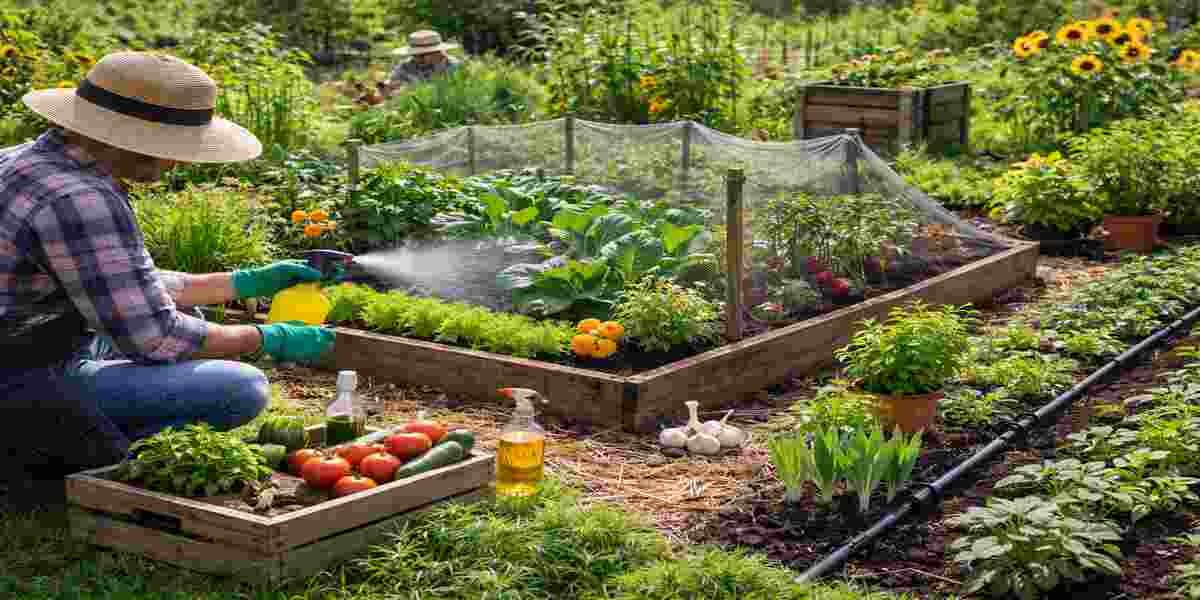
Organic Tips to Protect Your Garden from Pests
Have you considered that a minor weed issue today may become an acre loss tomorrow? The act of gardening appears peaceful, but a gardener who has ever grown plants understands how pests can destroy their efforts within such a short period of time. Leaves are falling at night, flowers are shaping, and fruits are ripening. Most people react only after damage becomes visible. That delay costs plants and time.
With guidance from a professional team, pest control becomes part of regular garden care, not an emergency task. This blog explains practical, real-world ways to keep pests out using planning, observation, and simple natural habits that actually work.
1. Why Pest Prevention Is Important
Pest prevention protects plants from long-term damage. Many gardeners ignore early warning signs like small holes or yellowing leaves. The correct principle is to stop pests from settling, not to chase them later. Prevention keeps the garden stable and productive.
• Healthy plants resist pests better
• Early action limits spread
• Prevention reduces chemical use
2. Garden Cleanliness Plays a Major Role
A dirty garden invites pests. Fallen leaves, weeds, and rotting plants create shelter. Moist areas allow insects to breed safely. Regular cleaning removes hiding spots. Clear weeds around beds. Remove dead plants quickly. Keep compost sealed. Clean spaces limit pest movement. Airflow improves plant strength. Less clutter means fewer problems. The key idea is simple. Clean gardens stay protected longer.
• Remove plant waste
• Control weeds
• Improve airflow
3. Garden Hygiene and Cleanliness
Pests do not breed in clean gardens.
Regular cleaning requires fixed timing and discipline.
Delayed cleaning allows pests to multiply quickly.
Clean spaces control pests without chemicals.
• Remove fallen leaves
• Clear damaged plants
• Clean tools regularly
4. Smart Plant Placement and Spacing
Crowded plants attract pests. When plants touch, insects move easily. Moisture also stays trapped. Spacing enhances air and sunlight circulation. Dusty leaves drive away pests and disease. Spacing also helps during inspections. Place sun-loving plants correctly. Shade plants in protected areas. Smart layout reduces pest spread naturally. The key idea is planning. Placement reduces pest pressure without chemicals.
• Avoid overcrowding
• Allow airflow
• Plan layout
5. Soil Health and Pest Prevention
Weak soil creates weak plants. Weak plants attract pests first. Healthy soil builds strong roots and leaves. Add organically composted materials on a regular basis. Living soil supports beneficial organisms. These organisms fight harmful pests naturally. The key idea is strength. Strong soil creates strong plants that resist attacks.
6. Use Natural Pest Repellents
Chemical sprays harm helpful insects. Natural repellents protect without damage. Neem oil controls many insects. Soap water removes pests from leaves. Garlic and chilli sprays repel chewers. Apply in the morning or evening. Test before full use. Regular light use works better than heavy spraying. The key idea is consistency. Natural methods work when applied correctly.
• Use neem oil
• Apply mild sprays
• Repeat carefully
7. Regular Monitoring and Early Action
Pests grow fast when unnoticed. Checking every now and then prevents infestation. Check leaves, stems and soil once a week. Look under leaves. Act when signs appear. Remove pests by hand if possible. Apply natural methods early. Do not wait for damage. The key idea is timing. Early action prevents major loss.
8. Choosing the Right Protection Methods
Not every garden needs the same solution. Raised beds reduce rodents. Nets protect fruits. Mulch controls soil insects. Choose methods based on garden size and pest type. Avoid random treatments. As noted by the expert team, correct methods reduce repeat problems. Smart choices save time and cost. The right problem should have the right tool.
Conclusion
Poor planning and hygiene are the attributes that lead to most garden pest problems. When soil stays healthy, plants are spaced well, and monitoring is regular, pests struggle to survive. One smart system works better than many rushed fixes. With support from an expert crew, garden protection becomes simple and natural. Timing, method, and care matter more than pressure. A balanced garden always stays stronger, cleaner, and productive. while also ensuring protection near glazed windows.